
Contents
Your email is competing with fifty others. The shorter and clearer it is, the faster it gets a reply. Writing effectively means respecting the other person's time — and saving yours.
A subject line that says it all
The subject line decides whether your message gets opened, and when. Be specific: "Verso Studio quote — approval before Friday" is a thousand times better than "Question".
A good subject line also helps your recipient prioritise — and find the thread again later.
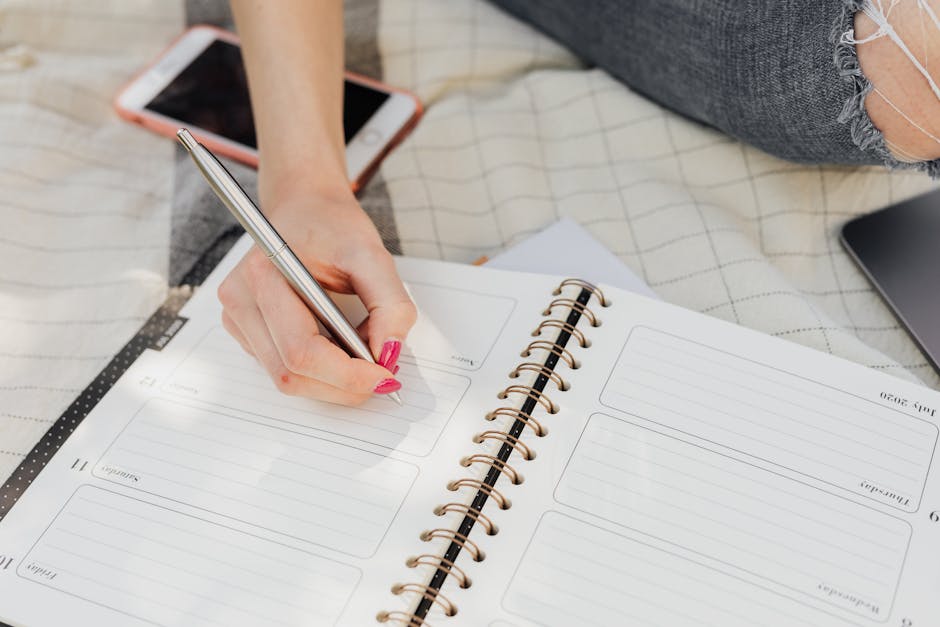
One request
One email, one request. Ask three questions and you'll get an answer to one — or none. Isolate what you really want.
Make the request stand out, ideally in the first line. A busy reader should grasp the expected action in three seconds.

Short, but not curt
Aim for five sentences. Cut empty phrases, keep essential courtesy. Brevity isn't coldness: it's respect.
End with a clear call to action: "Can you confirm by Thursday?" An explicit next step triggers the reply.

Write with the follow-up in mind
A clear message is easier to follow up on: the context is already there. Our tips on follow-ups complement these.
And remember: sometimes the best email is the one you don't send. Before writing, ask whether another channel would be faster — that's also well-designed asynchronous communication.

Read next

Email follow-ups: never let anything slip again
Half of all deals are won in the follow-up. Here's how to follow up without nagging — and without forgetting.
Read the article →
Asynchronous communication at work
Not everything deserves an instant reply. Asynchronous work protects everyone's focus — starting with yours.
Read the article →
Reduce the noise in your inbox
The best email is the one you never receive. Cut the noise at the source so the signal gets through.
Read the article →